
Food and Beverages

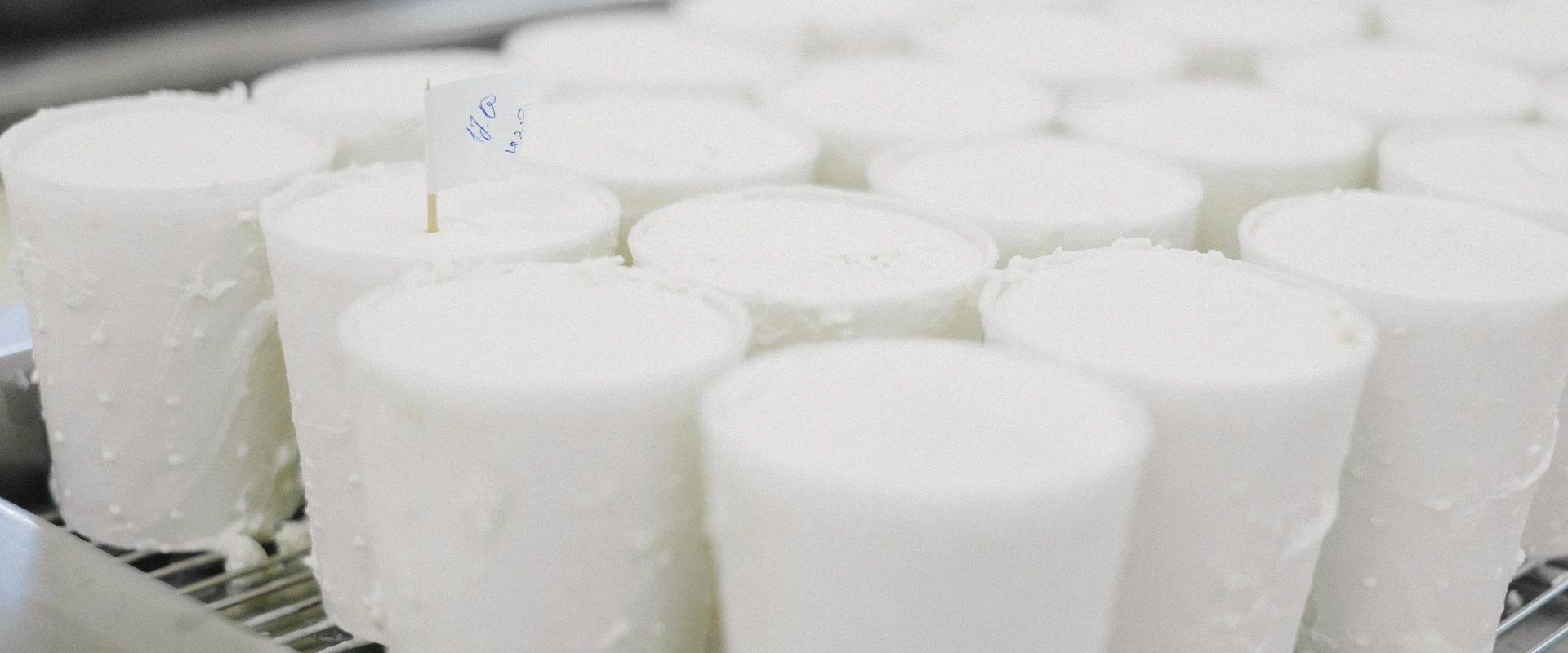
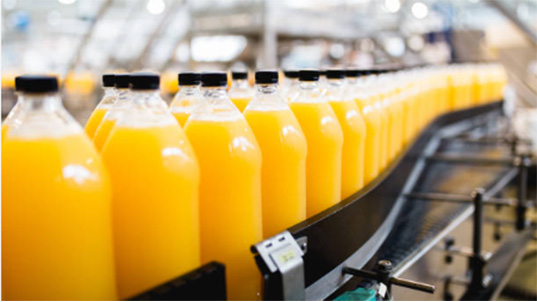
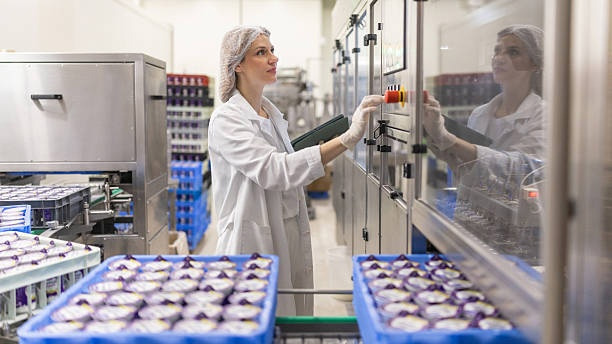
For soft drinks, coffee, tea, etc., degassing membranes remove dissolved oxygen from blending and process water, helping prevent spoilage, extend shelf life, reduce corrosion risk, and improve efficiency and energy consumption in cold-fill processes; in premium drinking water, functional beverages, or special food processing, remove impurities to enhance taste and safety.

Degassing and purification systems in food and beverage production are used for blending water and process water in soft drinks, coffee, tea, etc., as well as for high-end drinking water, functional beverages, and specialty food processing. They remove dissolved oxygen and impurities, prevent oxidative deterioration, extend shelf life, reduce corrosion risks, and optimize cold-filling efficiency and product taste.
 
Common Problems:
 
Dissolved oxygen leads to oxidation, flavor deterioration, and shortened shelf life. Residual gas causes filling bubbles and container deformation. Impurities affect taste and product safety.
 
Main Functions of Degassing Products:
 
High-efficiency deoxygenation: Rapidly removes dissolved oxygen (O₂) and other gases from water.
 
Prevention of oxidative deterioration: Extends shelf life and maintains stable flavor and color.
 
Improved process and quality: Improves cold-filling efficiency, reduces energy consumption, and enhances product consistency and safety.
 
Related SST product: Degassing membrane.

Realted Products

Fuel-Powered Vehicles and General Components

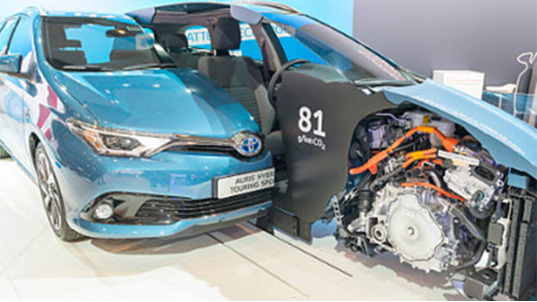
SST has over 30 different product lines and is a major partner in the global automotive industry

  • Oil mist filtering vent valves for powertrain systems (transmissions, differentials, high-pressure oil-cooled motors, high-speed reducers, hybrid units, all-in-one range extenders, electric drive axles);
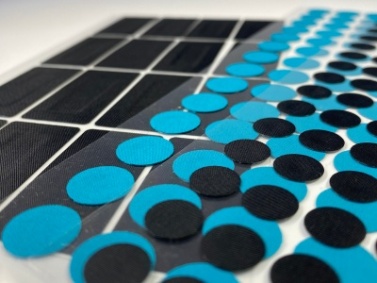
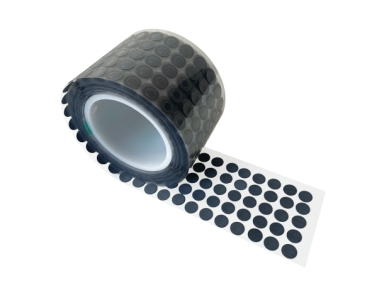
  • Adhesive-backed breathable membranes and vent caps for reducing condensation in automotive headlights, taillights, fog lights, and turn signals; as well as active dehumidification products including electronic dehumidifier assemblies and CMD components;
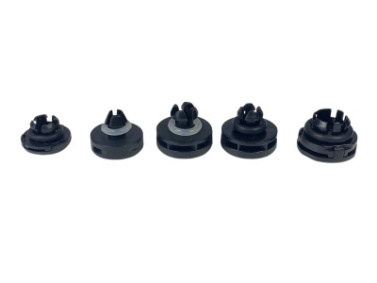
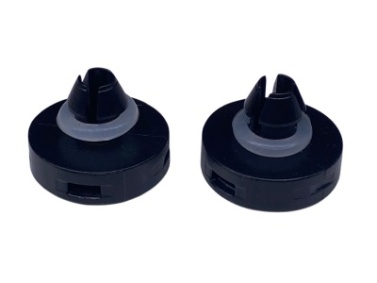
  • Press-fit vent valves for engine control units and anti-lock braking system (ABS) control units;
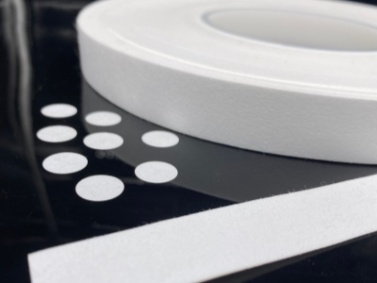
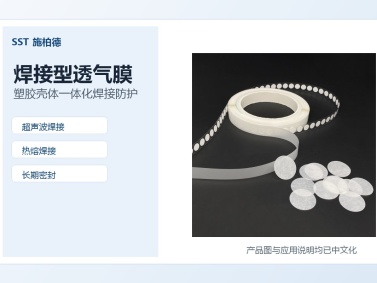
  • Welded breathable membranes and adhesive-backed breathable membranes for sensors (radar, electrochemical gas sensors, position sensors, pressure sensors);
  • Adhesive-backed breathable membranes and welded breathable membranes for automotive motors (wiper motors, window motors, electronic water pumps, start-stop motors);
  • Press-fit vent valves (snap-fit vent valves) for power steering systems.

New Energy and Hybrid Vehicles

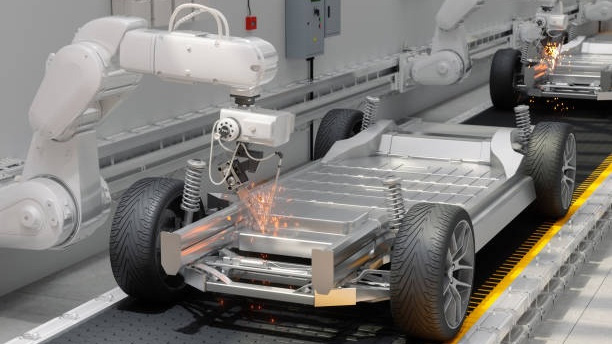
  • Press-fit breather valves or welded breathable membranes for electronic water pumps and electronic oil pumps in new energy vehicle thermal management
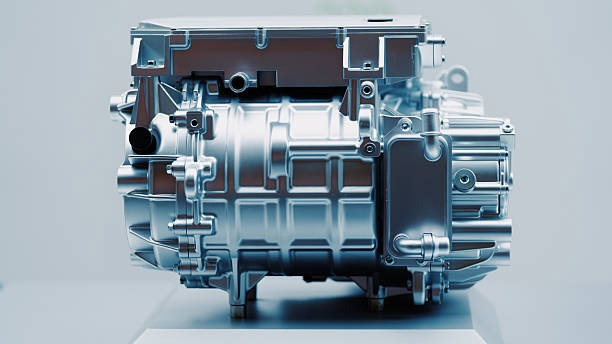
  • Breather valves for motors and electronic controls in power systems; oil mist filtration breather valves and filters for differentials, oil-cooled motors, all-in-one range extenders, and electric drive axles
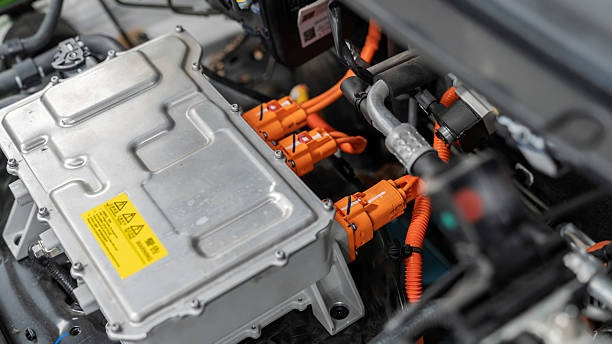
  • Press-fit breather valves and welded breathable membranes for conventional automotive electronic components (e.g., OBC, ECU, lighting, battery management system (BMS), window motors, wiper motors, power distribution modules, converters/inverters)
  • Explosion-proof valves, humidity controllers (CMD), and coolant filters for battery systems
  • Adhesive-backed breathable membranes, press-fit breather valves, and welded breathable membranes for millimeter-wave radar, LiDAR, and cameras in intelligent vehicle assisted driving systems
  • Air suspension filters

Hydrogen Energy Vehicles

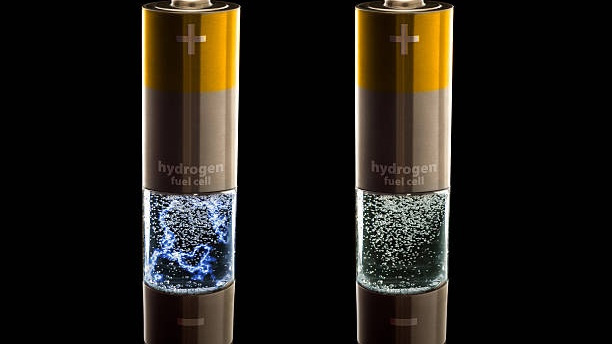
  • Cathode air filters (fuel cell air filters): Protect the fuel cell stack from volatile organic compounds (VOC), acids, bases, and solvent gases; combine adsorption and filtration to ensure clean air enters the stack, preventing catalyst poisoning and maintaining stack performance and lifespan;
  • Fuel cell humidifiers: Transfer water vapor from exhaust gas to the fuel cell stack interior to keep the membrane electrode hydrated, ensuring sustained high electrical performance;
  • General-purpose vent valves for pressure equalization inside and outside electronic control units in battery systems, and explosion-proof valves to prevent PACK battery pack explosions during thermal runaway;
    Coolant ion exchangers (ion filters) to maintain coolant conductivity below allowable limits;
  • Coolant particle filters: Remove harmful particles from the cooling circuit and reliably protect fuel cell stack and cooling system components;
    Cathode water separators: Use low-pressure-loss inertial separation technology to protect the battery stack from water ingress.

Cabin Air Filters and Systems (FreciousPlus, Cyclo-Multi-Sorber Systems)

  • Combination filters: Combined filters remove dust particles and eliminate odors and harmful gases, providing comprehensive protection for the cabin; integrate the advantages of particle filters with high-efficiency gas and odor filtration; cabin air filters with activated carbon protect against natural and chemical odors and adsorb gases such as sulfur dioxide, nitrogen oxides, and hydrocarbons;
  • High-performance filters and others: High-performance filters remove ultrafine particles; HEPA H14 air filters separate over 99.995% of viruses, bacteria, pollen, other allergens, and fine dust;

               1.Biofunctional cabin air filters: Use activated carbon to remove particles, adsorb harmful gases and odors; antibacterial surfaces prevent bacterial and fungal growth on the filter media;

              2.Nanofiber filters (electrospun): Designed for harsh environments, consisting of carrier media and ultrafine polymer fibers, providing high separation efficiency throughout the filter lifetime, especially for fine particles;
  • Intelligent cabin air filtration systems: Use sensors to continuously measure indoor and outdoor air quality, activating HEPA-grade filtration only when necessary to minimize system size, extend HEPA filter life, optimize energy consumption, and achieve optimal VIAQ (Vehicle Indoor Air Quality);
  • ENTARON CA4 series cabin air filters: Incorporate activated carbon layers.

Automotive Lights—headlights, taillights, fog lights, turn signals, grille lights, interior lights, license plate lights—combine function and style. Headlights, due to frequent use and visible issues, are a top source of consumer complaints.

In extreme conditions (summer heat soak, winter cold, high-humidity wading), common failures include internal fogging reducing brightness and unstable lighting from poor temperature adaptation—all tied to breathability. Proper breathable products greatly reduce fogging, maintain brightness, and extend reliability/lifespan.

SST Breathable Solutions SST products effectively solve these issues, enhancing light clarity and stability:

  • Moisture-wicking & Anti-Condensation — Rapidly expels internal moisture, prevents fogging and brightness loss, keeps fixtures dry and clean.
  • Pressure Balancing — Equalizes pressure differences from temperature changes, avoids shell deformation and seal failure.
  • Auxiliary Heat Dissipation — Enables micro-airflow, reduces overheating, protects electronics for consistent, bright performance.

Recommended SST Products: Adhesive-backed breathable membrane, press-type breathable valve, welded breathable membrane.

Automotive electronic control units (ECUs)—such as engine control unit, ABS control unit, on-board charger (OBC), battery management system (BMS), power distribution module, inverter, and electric power steering control unit—are core components of intelligent vehicles. They manage critical functions like power control, safe braking, and energy distribution. These precision electronics demand excellent sealing and environmental resistance, yet they often rank among the highest in failure rates, repair costs, and consumer complaints.

Under rapid temperature and humidity fluctuations, typical failures include internal condensation and corrosion, pressure imbalances causing housing deformation or seal failure, and degraded component performance—all closely tied to breathability. Proper breathable solutions can greatly enhance reliability and reduce failure rates.

SST Ventilation Solutions SST's professional ventilation products effectively address these challenges, improving the stability and durability of automotive ECUs:

  • Moisture Permeability & Anti-Condensation — Rapidly expels internal moisture to prevent condensation and corrosion, protecting precision circuit boards.
  • Pressure Balancing — Equalizes internal-external pressure differences from temperature changes, preventing housing deformation and seal failure.
  • Heat Dissipation Protection — Enables micro-air circulation to reduce localized overheating, safeguard chips, and ensure long-term system reliability.

Recommended SST Products: Adhesive-backed ventilation membrane, press-type ventilation valve, welded ventilation membrane.

In-vehicle electronics—such as navigation systems, displays, communication controllers, window/wiper/seat/sunroof motors, power modules, and actuators—drive connectivity, entertainment, comfort, and key functions. They demand excellent sealing, dust/moisture resistance, and temperature/humidity adaptability, yet remain highly prone to environmental failures and consumer complaints.

Extreme conditions (summer heat, winter heating, high humidity, A/C cycles) often cause condensation/corrosion, pressure-induced housing deformation or seal failure, and degraded motor/circuit/display/communication performance—all tied to breathability. Proper ventilation solutions greatly improve reliability and reduce failures.

SST Ventilation Solutions SST’s ventilation products effectively solve these issues, boosting stability and lifespan:

  • Moisture & Anti-Condensation — Rapidly expels internal moisture, prevents fogging and corrosion, protects motors, PCBs, displays, and modules.
  • Pressure Balancing — Equalizes pressure differences from temperature changes, avoids deformation, seal failure, and noise.
  • Heat Dissipation — Enables micro-airflow, reduces hot spots, safeguards coils, chips, and modules for consistent performance.

Recommended SST Products: Adhesive ventilation membrane, press-type vent valve, welded ventilation membrane.

Automotive Powertrain Systems—including transmission, differential, oil-cooled motors, reducers, hybrid units, range extenders, electric axles, motor controls, SCR/urea systems, drive modules, and EPS—are the core of power delivery in NEVs and traditional vehicles. They manage torque, speed, cooling, emissions, and steering. These parts require strong sealing, oil-mist resistance, high-temperature/pressure tolerance, and environmental durability, yet face high failure rates, costly repairs, and frequent complaints.

High-speed operation, rapid temperature shifts, and oil evaporation often cause oil mist contamination, pressure-induced shell deformation or seal failure, condensation/corrosion, and performance loss—all linked to permeability. Proper ventilation greatly improves reliability and cuts failures.

SST Ventilation Solutions SST products effectively address these issues, enhancing powertrain stability and lifespan:

  • Oil Mist Filtration — Blocks oil mist/particles, prevents contamination, expels gases for clean internals.
  • Pressure Balancing — Equalizes pressure from temperature/speed changes, avoids deformation, seal issues, and noise.
  • Anti-Condensation & Cooling — Removes moisture to prevent corrosion, aids heat dissipation, protects motors, controls, and precision parts.

Recommended SST Products: Adhesive ventilation membrane, press-type vent valve, welded ventilation membrane.

Hydrogen Fuel Cell System Components—cathode air filter, humidifier, ECU, coolant ion exchanger, particulate filter, cathode water separator—are critical for air purification/humidification, gas management, coolant purity, ion removal, and thermal safety in hydrogen vehicles. They demand superior sealing, corrosion resistance, extreme temp/humidity tolerance, explosion-proof design, and ultra-clean filtration. Failures are frequent, hard to repair, and impact safety, range, and trust.

In -40°C to +80°C swings, high water output, rapid pressure changes, and contaminant exposure: contamination reduces performance, pressure imbalance deforms shells/breaks seals, moisture/ions cause condensation/corrosion/short circuits, thermal runaway risks explosions—all linked to permeability, filtration, pressure. Proper venting/filtration solutions improve durability, safety, efficiency, cut failures.

SST Venting Solutions SST products effectively address these issues, enhancing fuel cell reliability and safety:

  • Moisture & Pressure Balance — Expels excess moisture, equalizes pressure, prevents condensation/corrosion/deformation, keeps stacks and controls dry/stable.
  • Explosion-Proof Overpressure Release — Rapidly vents abnormal pressure/thermal runaway, prevents explosions.
  • Filtration & Purification — Blocks particles/ions/contaminants, ensures clean, high-efficiency cathode, humidifier, cooling, separator operation.

Recommended SST Products: Adhesive venting membrane, press-type vent valve, welded venting membrane.

New Energy Vehicle Core Components—electronic water/oil pumps, battery packs & BMS, OBC, motor controllers, headlights, window/wiper motors, power modules, air suspension—are key to the "three-electric" and thermal management systems. They manage circulation, temperature control, cooling, and comfort. These parts require high-pressure sealing, extreme temperature/corrosion/vibration resistance, and explosion-proof safety. Failures in high-temp/humidity or intense cycling often lead to serious safety issues and complaints.

Common failures: condensation/corrosion/short circuits, pressure-induced deformation/seal failure, overheating/overpressure causing performance drop and thermal runaway—all linked to ventilation. Proper venting solutions improve safety, reliability, thermal runaway prevention, and reduce failures.

SST Ventilation Solutions SST products effectively solve these issues, enhancing NEV safety and stability:

  • Moisture & Anti-Condensation — Expels moisture fast, prevents corrosion/short circuits, keeps batteries, BMS, pumps, and circuits dry/safe.
  • Pressure Balancing — Equalizes pressure from temp/charge changes, avoids deformation, seal failure, explosion risks.
  • Explosion-Proof & Filtration — Releases overpressure, filters mist/particles, protects pumps, suspension, batteries for clean, efficient, safe operation.

Recommended SST Products: Adhesive ventilation membrane, press-type vent valve, welded ventilation membrane.

Automotive Sensors—millimeter-wave radar, lidar, gas sensors, position (angle/displacement/Hall), pressure (oil/air/tire), and other perception/control sensors—are vital for intelligent driving, emissions, safety, and chassis systems. They require high precision, waterproofing, dust/fog resistance, extreme temperature/humidity tolerance, and long-term reliability. Failures are easily noticed and often cause complaints or safety risks.

Harsh conditions (engine heat, winter cold, wading, rapid temp/humidity changes) lead to condensation/fogging/corrosion causing signal drift, pressure imbalance deforming housings or breaking seals, and humidity/temperature reducing sensitivity—all tied to breathability. Proper ventilation improves accuracy, adaptability, lifespan, and cuts failures.

SST Ventilation Solutions SST products effectively solve these issues, boosting sensor reliability and signal stability:

  • Moisture & Anti-Condensation — Quickly expels moisture, prevents fogging/corrosion, keeps optical/electrical paths clear.
  • Pressure Balancing — Equalizes pressure from temp/altitude/speed changes, avoids deformation, seal failure, drift.
  • Dust Protection — Blocks particles while allowing gas exchange, protects sensitive elements for long-term precision.

Recommended SST Products: Adhesive ventilation membrane, press-type vent valve, welded ventilation membrane.

Autonomous Driving Core Hardware (L2+ to L4)—millimeter-wave radar, LiDAR, forward/surround/in-cabin cameras, high-precision positioning (GNSS/IMU fusion), and domain controllers—faces extreme conditions: temperature swings, rain/snow, high humidity, and vibration. These demand superior waterproofing, dustproofing, fog resistance, corrosion protection, and long-term reliability. Failures here create serious safety risks and quality complaints.

In high-speed driving, extreme weather, and rapid temperature changes, common issues include optical/RF window fogging/condensation, pressure imbalance causing housing deformation or seal failure, and sensor drift/electronic faults from humidity/temperature/vibration—all tied to cavity permeability. Proper breathable solutions greatly enhance sensing clarity, adaptability, and system reliability.

SST Breathable Solutions SST products effectively address these challenges, improving autonomous system performance:

  • Moisture-wicking & Anti-Condensation — Rapidly expels internal moisture, prevents lens fogging and corrosion, ensures stable radar, LiDAR, and camera data.
  • Pressure Balancing — Equalizes pressure differences in real time, avoids deformation, seal failure, and zero-point drift.
  • Dustproof & Long-lasting Protection — Blocks dust, particles, and mist while allowing gas exchange, safeguards precision optical, RF, and electronic components over the full lifecycle.

Recommended SST Products: Adhesive-backed breathable membrane, press-type breathable valve, welded breathable membrane.

Automotive Motors—wiper, window, electronic water/oil pumps, start-stop, NEV cooling pumps, drive motors, and controls—are key to comfort, thermal management, power, and efficiency. They require strong sealing, waterproofing, dust/oil-mist resistance, high-temp/vibration tolerance, and reliability. Failures are frequent, noisy, costly, and lead to complaints.

In high-speed, start-stop, heat/cold, wading, and evaporation conditions, failures include condensation/corrosion causing shorts/insulation loss, pressure imbalance deforming housings/seals, and overheating/oil intrusion reducing performance/bearing noise—all related to permeability. Proper venting boosts durability, stability, and reduces failures.

SST Breathable Solutions SST products solve these issues, improving motor reliability and lifespan:

  • Moisture & Anti-Condensation — Expels moisture fast, prevents corrosion/insulation breakdown, keeps internals dry.
  • Pressure Balancing — Equalizes pressure from speed/temp changes, avoids deformation, seal failure, noise.
  • Oil Mist & Heat Dissipation — Filters mist/particles, blocks intrusion, enables cooling airflow for coils, bearings, controls.

Recommended SST Products: Adhesive breathable membrane, press-type vent valve, welded breathable membrane.

Intelligent Cockpit Air Filtration (VIAQ) Core—cabin filters, FreciousPlus, Cyclo-Multi-Sorber, HEPA H14, bio-functional, nanofiber, ENTARON CA 4 with smart sensors—filters PM2.5, odors, VOCs, bacteria, viruses, pollen, NO₂ for clean cabin air. Requires high efficiency, moisture/heat resistance, low resistance, low energy use. Failures cause strong passenger dissatisfaction and health complaints.

In summer heat, winter heating, high humidity, temp swings: efficiency drop with odor backflow, clogging raises fan noise/power, condensation breeds mold/bacteria, pressure imbalance causes bypass leaks—all tied to permeability, moisture, pressure. Proper breathable solutions improve durability, efficiency, anti-mold, VIAQ performance, reduce failures.

SST Breathable Solutions SST products solve these issues, enhancing filtration reliability and comfort:

  • Moisture & Anti-Condensation — Expels moisture fast, prevents condensation/mold/bacteria, keeps filter dry/efficient.
  • Pressure Balancing — Equalizes pressure, avoids deformation, bypass leaks, fan overload for steady low-resistance airflow.
  • Auxiliary Protection — Enables microcirculation, protects HEPA/carbon/nanofiber/bio-layers from moisture, boosts efficiency/lifespan.

Recommended SST Products: Adhesive breathable membrane, press-type vent valve, welded breathable membrane.

Electronic Devices

  • Adhesive Vents Membraneand welded breathable membranes for electric toothbrushes, oral irrigators, beauty devices, and electric shavers;
  • Adhesive Vents Membrane for refrigerator and washing machine electronic components;
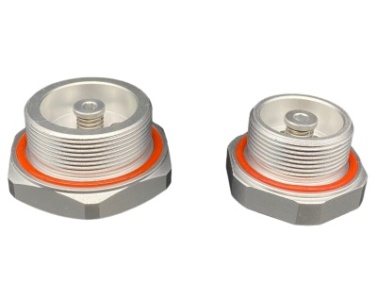
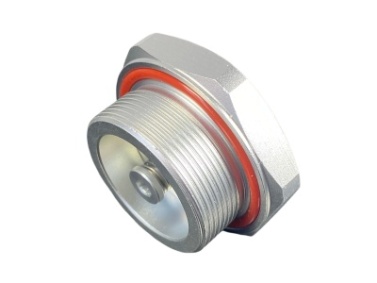
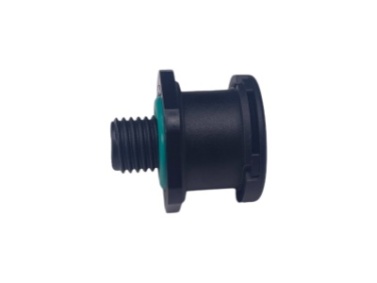
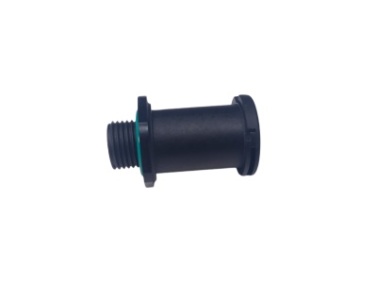
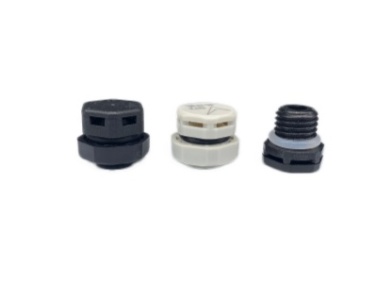
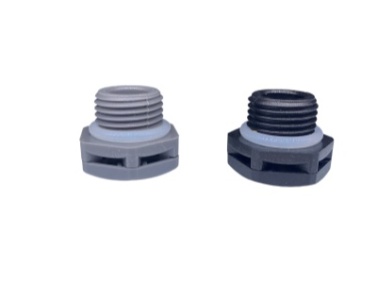
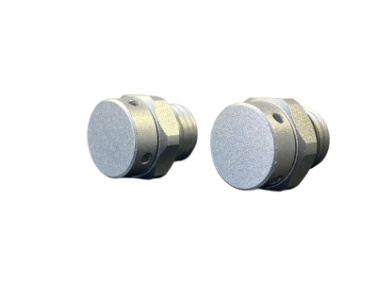
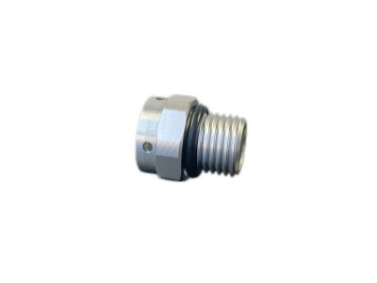
  • Plastic threaded vent valves, metal threaded vent valves, and electronic dehumidifier products for photovoltaic inverters, outdoor LEDs, telecommunications systems, and heavy equipment;
  • Adhesive Vents Membrane and vent tubes for sensors;
  • Chemical filters to protect electronic products from corrosion;
  • Electronic dehumidifier products to completely eliminate condensation in surveillance cameras (industrial cameras, security cameras, robot cameras, drone cameras), physicochemical storage cabinets, OA equipment, analyzers, optical application equipment, production facilities, information and communication systems, road equipment, railway equipment, etc.

Consumer Electronics

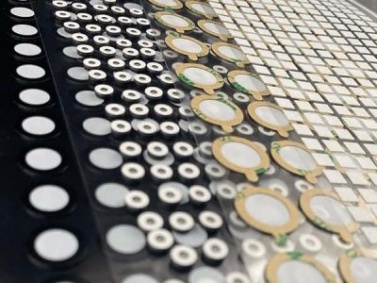
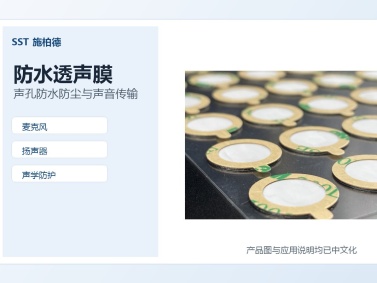
Waterproof acoustic membranes and high water pressure-resistant breathable membranes for mobile phones, wearables, walkie-talkies, TWS earphones, and hearing aids.


Outdoor industrial equipment

Outdoor industrial equipment (such as photovoltaic inverters, outdoor LED lighting fixtures, telecommunications base station equipment, heavy machinery electronic modules, and surveillance cameras) is exposed to extreme outdoor environments for extended periods, performing functions such as energy conversion, lighting, communication, monitoring, data acquisition, and control. It has extremely high requirements for waterproofing, dustproofing, temperature resistance (-40°C to 85°C), corrosion resistance, vibration/shock resistance, long-term reliability, and anti-condensation performance. It is the most difficult to maintain, has the highest downtime costs, and is highly susceptible to system failures, corrosion, or safety hazards.

Portable consumer electronics include mobile phones, wearable devices, TWS earphones, hearing aids, electric toothbrushes, water flossers, beauty devices, and shavers. These products have extremely high requirements for waterproofing and dustproofing (IP67/IP68), sweat and corrosion resistance, temperature variation resistance, and high reliability. They are the components that users directly contact and are most likely to experience malfunctions, making them highly susceptible to complaints about water damage, failure, or performance degradation.
 
Common Faults:
 
Internal condensation/corrosion leading to short circuits or component failure
Pressure imbalance causing shell deformation or seal failure
Water/sweat intrusion causing decreased sound transmission/waterproofing performance
 
Main Functions of Breathable Products:
 
Moisture permeability and anti-condensation: Expels moisture, preventing corrosion and fogging
Pressure balancing: Balances temperature/pressure differences, preventing deformation and seal failure
Waterproof and sound-permeable protection: Waterproof under high water pressure, maintaining clear audio
 
SST-related products: Waterproof sound-permeable membrane, high water pressure resistant breathable membrane, adhesive-backed breathable membrane, welded breathable membrane
Home appliances and electronics include core electronic components such as refrigerators, washing machines, air conditioners, dishwashers, and dryers. These components are responsible for cooling/heating control, motor drive, sensor monitoring, and circuit protection. They have extremely high requirements for sealing against moisture and condensation, resistance to temperature changes (-20℃ to 60℃+), and long-term reliability. They are the components in home appliances where faults are easily detected and directly felt by users, and are highly prone to causing odors, corrosion, failures, or noise complaints.
 
Common Faults:
 
Internal condensation/fogging/corrosion leading to short circuits or component failure
Pressure imbalance causing casing deformation or sealing failure
Moisture accumulation causing odor growth or performance degradation
 
Main Functions of Breathable Products:
 
Moisture permeability and anti-condensation: Expels moisture, preventing condensation corrosion and fogging
Pressure balancing: Balances temperature/pressure changes, preventing deformation and sealing failure
Moisture protection: Keeps the interior dry, extending the life of electronic components
 
SST-related products: Adhesive-backed breathable membranes
Outdoor industrial equipment include photovoltaic inverters, outdoor LED lighting fixtures, telecommunications base station equipment, heavy machinery electronic modules, surveillance cameras, chemical storage cabinets, office automation equipment, analytical instruments, optical application equipment, production facility control systems, information and communication modules, and road/railway-specific electronic equipment. These devices are exposed to extreme outdoor environments for extended periods, responsible for energy conversion, lighting, communication, monitoring, data acquisition, and control. They require extremely high standards for IP67+ waterproof and dustproof capabilities, resistance to temperature differences from -40°C to 85°C, corrosion resistance, vibration/shock resistance, long-term reliability, and condensation prevention. These components are among the most difficult to repair, have the highest downtime costs, and are highly susceptible to system failures, corrosion, or safety hazard complaints.
 
Common Faults:
 
Internal condensation/fogging/corrosion leading to short circuits or component failure
Pressure imbalance causing housing deformation or seal failure
Accumulation of moisture/corrosive gases causing performance degradation or odor
 
Main Functions of Breathable Products:
 
Moisture permeability and anti-condensation: Expels moisture, prevents condensation and corrosion, and keeps the interior dry.
Pressure balancing: Balances extreme temperature/pressure changes, preventing housing deformation and seal failure.
Dehumidification and protection: Combines electrolytic dehumidification and chemical filtration to block corrosive gases and protect precision electronic components.
 
SST Products Involved: Plastic threaded breather valves, metal threaded breather valves, electrolytic dehumidifiers, adhesive-backed breathable membranes, breathable tubes, chemical filters.

Microelectronics and Semiconductors

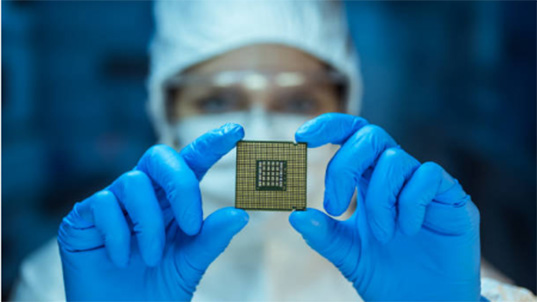
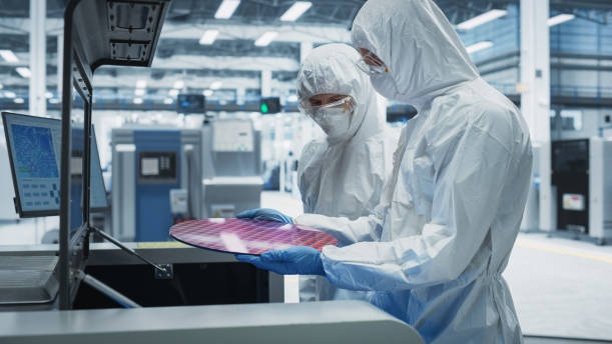
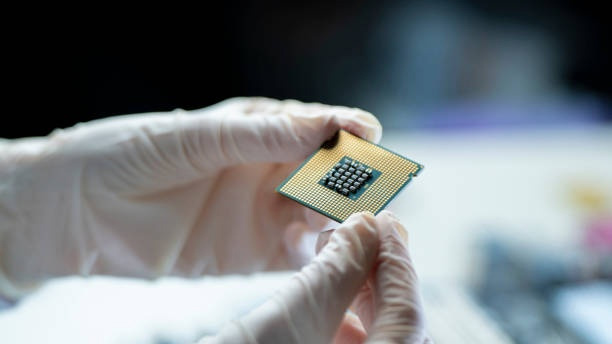
This industry has extremely strict requirements for air quality in production environments and purity of process water. In chip manufacturing, ultrapure water is used, and filtration products remove impurities, particles, microorganisms, etc., to prevent contamination and damage to chips. (In semiconductor chip manufacturing, water and gas purity directly affect yield and performance; even trace impurities can cause circuit shorts or device failure.)
Photovoltaic cells and display panels (LCD, OLED) production have water quality and process media purity requirements close to the semiconductor industry to reduce defect rates and improve product consistency.

Clean air and gas filtration systems cover high-end manufacturing fields such as microelectronics, optical components, semiconductor wafers, photovoltaic cells, LCD/OLED display panels, lithium batteries, data center servers, and solar energy production facilities. These systems are responsible for fresh air intake, process gas purification, and localized cleanroom protection. They have extremely high requirements for removing submicron particles and harmful chemical gases (acids, alkalis, condensables, molecular metals, dopants, VOCs, and other molecular-level contaminants). They are the core guarantee for cleanrooms (ISO Class 1-5) and critical process steps, directly affecting defect rates, yield rates, consistency, and product reliability. Any contamination leak will lead to huge amounts of scrap and customer complaints.
 
Frequently Asked Questions:
 
Ultrafine particle/molecular contaminant intrusion leads to wafer defects, panel dark spots/bright lines, and battery short circuits/capacity degradation. Chemical gas corrosion causes optical component fogging, abnormal semiconductor doping, and decreased photovoltaic efficiency. Filter efficiency degradation or bypass leakage leads to exceeding cleanliness standards, yield fluctuations, and production line shutdowns.
 
Main Functions of Filtration Products:
 
High-efficiency particle filtration: HEPA/ULPA grade captures 0.1-0.3μm ultrafine particles, ensuring cleanroom ISO 1-5 standards.
Molecular-level gas removal: Adsorption/chemical reaction removes contaminants such as acids, alkalis, VOCs, metal ions, and condensables, preventing corrosion and deposition.
Stable cleanliness protection: Maintains the purity of process gases and air, reducing defect rates, improving yield, and product consistency.
 
SST-related products: High-efficiency air filters (HEPA/ULPA grade), chemical gas filters, molecular-level contaminant removal filter cartridges, and process gas purification modules.
Ultrapure water (UPW) purification and degassing systems are widely used in semiconductor chip manufacturing, photovoltaic cell production, and LCD/OLED display panel manufacturing. These systems provide 18.2 MΩ·cm-level ultrapure water, covering key processes such as polishing, wet etching, cleaning, developing, and rinsing. They have extremely stringent requirements for removing particles, microorganisms, colloidal silicon, TOC, bacteria, ions, metal ions, and dissolved gases (O₂, CO₂, etc.). They are the core guarantee for clean production to prevent short circuits, oxidation, bubble defects, device failure, or yield reduction caused by trace contaminants. Any contamination breach will result in mass scrapping and huge losses.
 
Frequently Asked Questions:
 
Microparticle/colloid/microbial residues cause pattern defects, short circuits, or leakage.
TOC/ion/metal ion contamination causes device performance drift or corrosion.
Excessive dissolved oxygen/carbon dioxide causes oxide film defects, bubble adhesion, or pH instability.
 
Main functions of filtration and degassing products:
 
Highly efficient impurity removal: Captures submicron particles, colloidal silica, bacteria, TOC, ions, and metals, ensuring water quality meets semiconductor/display/photovoltaic standards.
Degassing and deoxygenation: Effectively removes dissolved O₂, CO₂, and other gases through degassing membranes, reducing oxidation defects and bubble risks, and improving cleaning/etching consistency.
Stable purity and process reliability: Maintains long-term stability of the UPW system, reducing defect rates, improving yield, and product consistency.
 
SST products involved: Ultrapure water filters, degassing membranes, ion exchange resin modules, TOC removers, microfiltration/ultrafiltration membrane modules, precision particle filters.

Solution Packaging

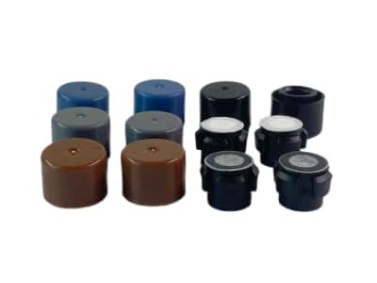
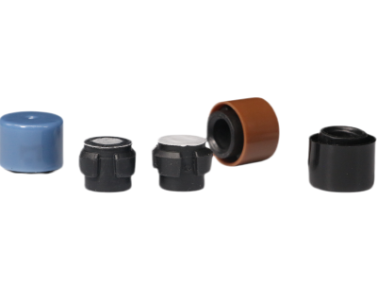
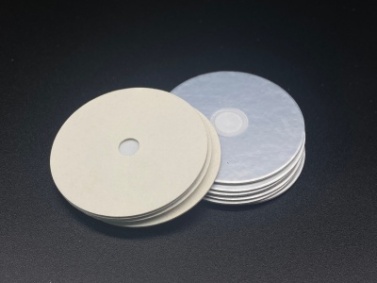
Vent plugs, vent gaskets, and welded breathable membranes for industrial chemicals and cleaners, agricultural applications, household chemicals, and cleaners.

Air Quality Control

  • Chemical filters for controlling volatile organic compounds (VOC) released from industrial processes such as adhesives and solvent manufacturing, road traffic, and biological sources (plants, soil, oceans);
  • Odor removal filters for sulfur- and nitrogen-containing compounds such as hydrogen sulfide and ammonia in pulp and paper, petrochemical, wastewater treatment, oil and gas, aviation, fertilizer production, and biogas plant operations;
  • Chemical filters for removing acidic gases generated during chemical formation in battery production;
  • Gas sensor filters (VOC) that adsorb interfering gases during electrochemical gas sensor detection.

Production Processing

  • Oil mist collection products for processes such as electrical discharge machining/spark erosion, lathes, grinding, parts cleaning, machining centers, industrial saws, oil mist collectors for clean oil, and food processing;
  • In automotive manufacturing, provide combined services for paint shop air filtration (preventing particle contamination of paint surfaces) + cutting fluid filtration (extending tool life), tied to customer production line needs;
  • In chemical production, gases in raw materials and products affect reaction progress and product quality. Degassing membranes efficiently remove gases without altering reaction conditions, improving reaction efficiency and product quality.

Data Centers

    Chemical filtration (molecular filtration): When traditional particle filters reach their limits, molecular filters provide effective solutions. This advanced technology uses adsorption (a physicochemical process) to remove invisible microscopic contaminants. Molecular filtration is designed to remove ozone, volatile organic compounds (VOC), acids, bases, and solvents, and is highly effective for odor removal. As a global leader in filtration, we provide various molecular air filters suitable for cleanrooms, industrial facilities, and building ventilation systems; innovative filtration products ensure optimal air quality with superior efficiency and reliability.
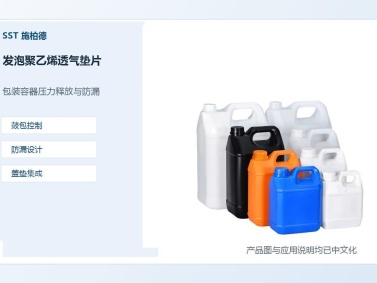
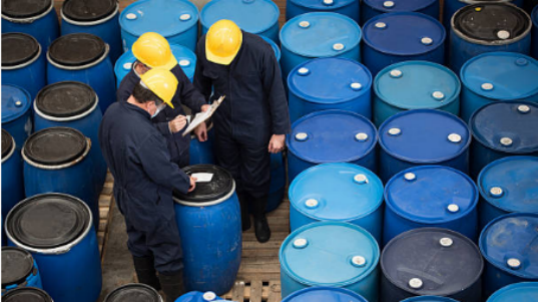
Industrial packaging venting systems are used in liquid/powder packaging containers for industrial chemicals, cleaning agents, agricultural pesticides/fertilizers, household cleaners, disinfectants, bleach, etc. These packages must withstand transport vibrations, temperature fluctuations (-20℃ to +60℃), pressure changes, and chemical corrosion. They have extremely high requirements for leak prevention, burst prevention, pressure balancing, prevention of bulging/collapse, barrier to contaminants, and long-term sealing reliability. They are components in chemical packaging that are prone to bulging, leakage, container deformation, or safety hazards, and can easily lead to transportation accidents, product quality complaints, or environmental violations.
 
Common Faults:
 
Temperature/pressure changes cause container bulging/collapse/bursting.
Internal gas accumulation causes seal failure or liquid leakage.
Moisture/contaminant intrusion causes chemical deterioration or corrosion.
 
Main Functions of Breathable Products:
 
Pressure Balancing: Quickly releases internal gas or balances internal and external pressure differences, preventing container deformation, bursting, or collapse.
Breakproof and Leak-Proof: Allows gas to pass through while preventing liquid leakage, preventing chemical spills.
Contamination Protection: Blocks external moisture/dust/microorganisms from entering, maintaining product stability and purity.
 
SST-Related Products: Breathable plugs, breathable gaskets, welded breathable membranes.
Air and gas purification systems are applied in various fields, including self-adhesive/solvent manufacturing, VOC control in road traffic, VOC treatment from biological sources (plants/soil/ocean), pulp and paper making, petrochemicals, wastewater treatment, oil and gas, aviation, fertilizers, biogas, battery production, gas electrochemical sensor protection, and automotive painting workshops. These systems are responsible for removing VOCs, hydrogen sulfide (H₂S), ammonia (NH₃), acidic gases, odor molecules, interfering gases, and particulate pollutants. They require extremely high adsorption capacity, chemical resistance, low pressure drop, long-term stability, and targeted removal capabilities. They are critical links in industrial processes, environmental compliance, product quality, and equipment protection; any purification failure will lead to odor diffusion, product defects, sensor false alarms, paint contamination, or environmental violations.
 
Frequently Asked Questions:
 
VOC/odor/acidic gas leaks cause environmental pollution, worker health risks, or product defects.
Excessive hydrogen sulfide/ammonia levels cause equipment corrosion, odor complaints, or safety hazards.
Particulate/interfering gas intrusion leads to paint defects, sensor drift, or abnormal battery capacity.
 
Main Functions of Purification Products:
 
Targeted Removal: Highly efficient adsorption/chemical reaction removes VOCs, H₂S, NH₃, acidic gases, and interfering molecules, ensuring emissions meet standards and clean air.
Odor and Corrosion Control: Eliminates odors, prevents acid and alkaline gases from corroding equipment and products, and improves process stability and safety.
Protection and Pollution Prevention: Blocks the entry of particles/contaminants, ensuring sensor accuracy, coating quality, and battery production consistency.
 
SST Products Involved: Chemical filters, odor removal filters, acidic gas removal chemical filters, interfering gas adsorption filters, and painting workshop air filters.
Process filtration systems are used in electrical discharge machining (EDM), lathes, grinding, parts cleaning, machining centers, industrial sawing, food processing, automotive cutting fluid circulation, and chemical raw material/product handling. These processes involve contaminants such as oil mist, metal shavings, cutting fluid, and gas inclusions. They require extremely high efficiency in capturing oil mist, filtering particles, extending tool/equipment life, removing dissolved gases, and ensuring product quality and food safety. These systems are critical components in precision manufacturing and chemical production, directly impacting equipment durability, machining accuracy, product purity, and environmental compliance. Any filtration failure will lead to accelerated tool wear, surface defects, abnormal reactions, or excessive contamination.
 
Frequently Asked Questions:
 
Oil mist/particle diffusion causes workshop contamination, equipment corrosion, or health risks.
Cutting fluid contamination and clogging lead to shortened tool life and decreased machining accuracy.
Gas inclusions/dissolved gas residues cause uneven chemical reactions, product quality fluctuations, or bubble defects.
 
Main functions of filtration and degassing products:
 
High-efficiency oil mist/particle capture: Quickly collects oil mist, metal shavings, and microparticles, keeping the workshop clean and extending equipment and tool life.
Cutting fluid purification: Removes impurities, bacteria, and metal shavings, maintaining fluid stability, improving machined surface quality, and tool durability.
Degassing and purification: Efficiently removes dissolved gases/bubbles, improving chemical reaction efficiency, product purity, and consistency.
 
SST-related products: Oil mist collection filters, cutting fluid filters, degassing membranes.

Energy and Electrochemistry

Taking lithium batteries as an example, high-precision filtration of electrolyte is required during production to remove impurities and particles, ensuring performance and safety. Filtration products may also be used in EV charging stations and other equipment to protect electronic components from dust, moisture, etc.

High-precision electrolyte filtration systems in lithium battery production remove impurities, particles, metal ions, organic matter, and other contaminants, strictly ensuring electrolyte purity. This directly improves battery performance, safety, and batch consistency, making it a core quality control in lithium battery manufacturing.
 
Common Issues:
 
Particles/metal ions can cause micro-short circuits or thermal runaway risks.
Organic residues can lead to electrolyte decomposition and capacity decay.
Insufficient purity results in decreased yield and poor consistency.
 
Main Functions of Filtration Products:
 
Highly efficient removal of contaminants: Captures submicron particles, metal ions, and organic impurities.
 
Improving electrolyte purity: Ensures ultra-high purity standards for lithium batteries are met.
 
Ensuring battery performance: Reduces internal resistance, improves safety, and extends cycle life.
 
Related SST Products: Chemical filters.
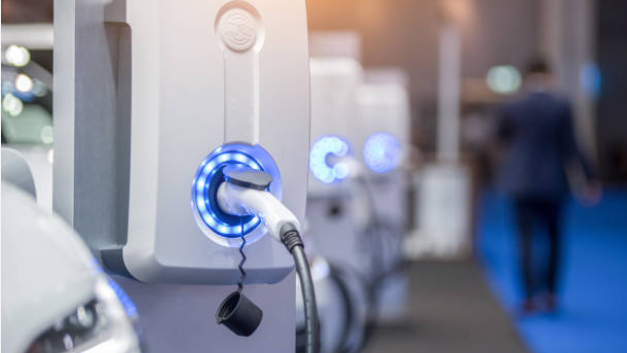
Energy equipment protection systems are widely used in outdoor/semi-outdoor energy equipment such as new energy vehicle charging piles, energy storage systems, and PCS power conversion systems. They primarily protect electronic components, control units, and inverters from dust, moisture, and temperature condensation, ensuring long-term stable operation.
 
Common Faults:
 
Moisture intrusion leading to condensation and corrosion
Pressure imbalance causing casing deformation or seal failure
Dust accumulation affecting heat dissipation and component lifespan
 
Main Functions of Breathable Products:
 
Moisture permeability and condensation prevention: Timely removal of moisture to prevent condensation and corrosion
Pressure balancing: Quickly balances internal and external pressure differences, preventing casing deformation and seal failure
Dust protection: Effectively blocks dust, keeping the interior clean and dry
 
SST-related products: Waterproof breathable membranes (adhesive-backed, welded), breathable valves (plastic/metal threaded, press-type).

Biopharmaceuticals and Medical Devices

Pharmaceutical production has extremely high requirements for environmental cleanliness and product purity. Filtration products are used for clarification, sterilization, and pyrogen removal in liquid medicines, ensuring quality and safety. In biopharmaceuticals, membrane separation and other filtration technologies are widely used for separation and purification of proteins, vaccines, and other biological products. (Compliant with Good Manufacturing Practice (GMP) requirements, ensuring sterile, pyrogen-free, and impurity-free pharmaceutical water (purified water, water for injection) and process fluids.)

Biopharmaceutical production demands extremely high purity of drugs and cleanliness of the environment. Degassing and filtration products are used for drug solution clarification, sterilization, pyrogen removal, protein/vaccine separation and purification, and the sterile, pyrogen-free, and impurity-free treatment of process water (purified water, water for injection), strictly complying with GMP standards. Simultaneously, CO₂ in process water is controlled to optimize pH and conductivity.
 
Common Issues:
 
Microbial/pyrogen/particulate contamination leading to product non-compliance or safety risks.
Excessive CO₂ causing pH fluctuations and decreased deionization efficiency.
Impuric residues affecting drug stability and efficacy.
 
Main Functions of Degassing and Filtration Products:
 
Highly efficient sterilization and impurity removal: Removes bacteria, pyrogens, particles, and organic impurities, ensuring GMP-grade purity of drug solutions and process water.
 
Precise CO₂ removal: Removes dissolved CO₂ through degassing membranes, stabilizing pH and conductivity, and improving deionization efficiency.
 
Ensuring product safety: Prevents contamination and oxidation, improving the purification efficiency and batch consistency of biopharmaceuticals.
 
SST-related products: Degassing membranes (membrane contactors).
Medical device ventilation systems are widely used in disposable medical consumables such as urine bags, ostomy bags, and drainage bags. They are responsible for gas exchange, pressure balance, and odor control, while strictly maintaining liquid seals and bacterial barriers to ensure patient comfort and safety.
 
Common Problems:
 
Gas accumulation leading to bag expansion or rupture
Odor leakage affecting patient quality of life
Pressure imbalance causing leakage or discomfort
 
Main Functions of Ventilation Products:
 
Ventilation and Exhaust: Quickly expel internal gas, preventing expansion and rupture
Odor Adsorption: Effectively block or filter odor molecules, maintaining cleanliness and comfort
Liquid Seal: Achieve high breathability while being waterproof and leak-proof
 
SST-Related Products: Welded ventilation membranes, molecular filters.

Environmental Protection and Chemical Industry

  • In wastewater treatment, membrane contactors (degassing membranes) remove oxygen from wastewater, improving treatment effectiveness and reducing costs;
  • In oil and gas extraction, degassing membranes remove oxygen from crude oil and natural gas, extending equipment life and improving safety;
  • High-purity solvents or raw materials are required in chemical synthesis, lithium battery materials, nanomaterials, and other fields to ensure product performance and stability.
Industrial degassing systems are widely used in environmental wastewater treatment and oil and gas extraction. By efficiently removing dissolved oxygen from wastewater, crude oil, and natural gas, they improve treatment efficiency, extend equipment life, and ensure system safety.
 
Common Problems:
  Dissolved oxygen causes severe corrosion of pipes and equipment.
  Low wastewater treatment efficiency and increased energy consumption.
  Accelerated oxidation in oil and gas systems, increasing safety risks.
Main Functions of Degassing Products:
1. Highly efficient dissolved oxygen removal: Rapidly removes oxygen from wastewater, crude oil, and natural gas.
2. Corrosion protection: Significantly reduces oxygen corrosion, extending the service life of pipes, pumps, valves, and equipment.
3. Improved efficiency and safety: Enhances wastewater treatment effectiveness, reduces energy consumption, and ensures stable and safe oil and gas extraction processes.
Related SST Products: Degassing membrane (membrane contactor).
In chemical synthesis, lithium battery materials, and nanomaterial production, the purification of high-purity solvents and raw materials requires extremely high precision, directly determining product performance, stability, and batch consistency.
 
Common Problems:
 
Impurities/particles/ions cause abnormal reactions or material defects.
Organic contamination affects purity and final performance.
Insufficient purity leads to decreased yield.
 
Main Functions of Chemical Filtration Products:
 
Highly efficient impurity removal: Capturing particles, metal ions, and organic contaminants.
Improving solvent purity: Achieving high-purity standards for chemical/lithium battery/nanomaterial production.
Ensuring product stability: Improving performance, consistency, and yield.
 
SST-related products: Chemical filters.