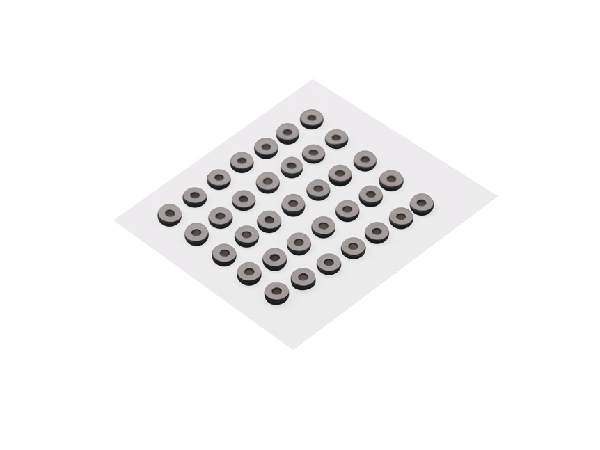
Waterproof Sound-Permeable Membranes for Consumer Electronics

Consumer electronics such as smartphones, true wireless earbuds (TWS), and smart wearables are expected to deliver clear, high-fidelity audio while withstanding daily exposure to water, sweat, dust, rain, and humidity. Waterproof sound-permeable membranes enable manufacturers to achieve this balance by protecting sensitive acoustic components without compromising sound quality or device reliability.

The Acoustic Protection Challenge in Consumer Devices

Acoustic protection challenge: moisture and dust damage to speakers and microphones in consumer electronics

Speakers, microphones, and receivers in modern electronics require direct interaction with air to transmit sound waves effectively. These openings, however, create entry points for liquid ingress, dust, oils, and corrosive elements. Traditional fabric meshes or simple grilles often clog over time, degrade under repeated exposure to sweat or cleaning agents, or significantly attenuate sound. As devices adopt higher IP67 and IP68 ratings and become thinner and more compact, engineers need materials that maintain acoustic transparency while providing robust environmental protection.

How ePTFE Waterproof Sound-Permeable Membranes Work

Expanded polytetrafluoroethylene (ePTFE) membranes feature a precisely engineered microporous structure of interconnected nodes and fibrils. This architecture allows sound waves to pass through with minimal insertion loss while forming an effective barrier against liquid water, particulates, and many oils due to the material’s inherent hydrophobicity and oleophobicity. Pore sizes are tightly controlled to optimize air flow and acoustic performance without sacrificing protection.

When installed over speaker ports, microphone openings, or acoustic chambers, these membranes enable pressure equalization, prevent internal condensation, and support consistent audio performance across voice calls, music playback, noise cancellation, and voice assistant functions—even in wet or humid conditions.

Applications in Smartphones

In smartphones, ePTFE acoustic membranes are typically placed over bottom-firing speakers, top earpieces, and multiple microphones used for noise suppression and voice recognition. They help devices achieve and maintain IP67 or IP68 ratings while preserving clear call quality and media playback. The membranes also mitigate pressure differentials caused by temperature changes or altitude, reducing stress on other seals and improving long-term reliability.

Applications in True Wireless Earbuds and Headphones

TWS earbuds and headphones face especially demanding conditions due to direct contact with sweat, rain, and movement during workouts or outdoor use. ePTFE membranes protect drivers, call microphones, and active noise cancellation (ANC) sensors, ensuring consistent bass response, voice clarity, and transparency mode performance without allowing moisture ingress.

Applications in Smart Wearables

Smartwatches, fitness trackers, and other wearables require compact, lightweight solutions that withstand perspiration, hand washing, swimming, or heavy rain. Waterproof sound-permeable membranes safeguard microphones for voice commands and speakers for notifications and calls, enabling reliable operation while supporting the slim designs consumers expect.

Technical Advantages Over Traditional Solutions

Compared with conventional meshes or non-breathable covers, high-performance ePTFE membranes deliver:

  • Low sound attenuation (typically <1–2 dB in key frequency ranges)
  • High water-entry pressure supporting IP67, IP68, and IP69K ratings
  • Excellent chemical resistance to sweat, cosmetics, and cleaning agents
  • Long-term durability across wide temperature and humidity cycles
  • Pressure equalization to prevent seal failure or condensation

These properties help manufacturers reduce warranty claims and improve overall user satisfaction.

Expertise from a Specialized Manufacturer

Since 2016, Spider(Xiamen) Technology Co., Ltd has specialized in ePTFE membranes and high-performance protective breathable products for over a decade. Our professional R&D team—composed of masters and doctoral experts in polymer materials—invests 5%-20% of annual revenue into ongoing innovation to push material performance boundaries.

Solutions achieve IP67, IP68, and IP69K protection levels and are supported by ISO9001 and IATF16949 quality certifications, along with SGS, CE, UL, PFOA-Free, RoHS, and REACH reports. Products are trusted by over 1,000 enterprises across Europe, the United States, Germany, South Korea, Japan, India, Russia, Turkey, and other regions.

Guided by the principle “integrity builds quality, innovation leads the future,” the company balances economic value with social responsibility and environmental protection.

Engineers and product designers seeking customized waterproof sound-permeable membrane solutions for consumer electronics can contact our team at weitaiyan@spider-amoy.com for technical consultation and product development support.

Making Informed Decisions for Reliable Audio Devices

Selecting the right waterproof sound-permeable membrane directly influences device durability, audio performance, and real-world reliability. With accurate technical understanding, teams can design consumer electronics that meet both stringent protection standards and demanding user expectations for clear, consistent sound.

By SST R&D Engineering Team, Spider(Xiamen) Technology Co., Ltd.