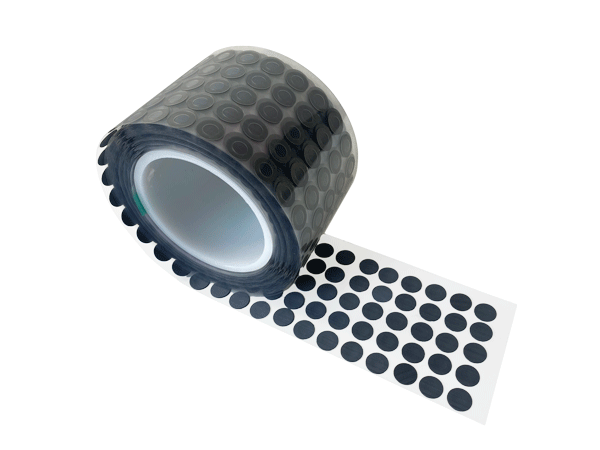
In modern vehicles, electronic control units (ECUs), sensors, and radar modules are essential for safety, performance, and advanced driver assistance systems (ADAS). However, these components must withstand extreme conditions including temperature swings from -40°C to over 125°C, humidity, water exposure, dust, road chemicals, oils, and high-pressure cleaning. Without adequate protection, pressure build-up, condensation, and contaminant ingress can lead to failures, reduced lifespan, and safety issues.
Challenges of Harsh Environments for Automotive Electronics
Rapid temperature changes cause internal pressure differentials in sealed housings, stressing seals and potentially causing leaks or deformation. Moisture can condense inside enclosures, leading to corrosion or short circuits. Dust, salt, oils, and high-pressure water jets further threaten electronics in under-hood, chassis, or exterior locations like radar modules.
Why Breathable Vents Are Essential for Reliability
Effective solutions must equalize internal and external pressure while maintaining high levels of ingress protection. Traditional non-breathable seals often fail under thermal cycling. Breathable vents solve this by allowing air and vapor to pass freely, preventing vacuum or over-pressure conditions that compromise enclosure integrity.
How ePTFE Membranes Provide Robust Protection
ePTFE (expanded polytetrafluoroethylene) membranes have a microporous node-and-fibril structure with pore sizes typically 0.1–0.5 μm. This design permits high airflow for fast pressure equalization and water vapor transmission. The material is highly hydrophobic and oleophobic, repelling water, oils, and many chemicals while blocking liquid and particulate ingress. With excellent thermal stability and chemical inertness, ePTFE performs reliably in automotive conditions, supporting long-term durability.
ePTFE Applications in ECU, Sensors, and Radar
For ECUs and gearbox control units, ePTFE vents resist oil mist and vibration, maintaining performance and preventing moisture-related failures. In radar sensors for ADAS, they ensure consistent operation by avoiding condensation that could distort signals or affect calibration. Automotive sensors benefit similarly, with vents enabling IP67, IP68, or IP69K ratings even under demanding washdown or environmental exposure.
Benefits of ePTFE Protective Venting Solutions
These vents extend component life, reduce warranty claims, and support miniaturization trends in vehicle electronics. They help manufacturers meet stringent quality and reliability standards in traditional and new energy vehicles.
Spider(Xiamen) Technology Co., Ltd’s Expertise
Since 2016, Spider(Xiamen) Technology Co., Ltd has specialized in ePTFE membranes and high-performance protective breathable products for over a decade. With a dedicated R&D team of masters and PhD polymer material experts investing 5%-20% of revenue annually in innovation, we develop solutions that push material limits. Our IATF16949 and ISO9001 certifications, along with SGS, CE, UL, PFOA-Free, RoHS, and REACH compliance, ensure automotive-grade quality.
Products are exported to Europe, the United States, Germany, Korea, Japan, India, Russia, Turkey, and other regions, serving more than 1,000 enterprises with customized solutions. We uphold “Integrity Forges Quality, Innovation Leads the Future,” balancing business success with environmental responsibility.
Engineers and procurement professionals seeking tailored ePTFE venting solutions for challenging applications can reach out for technical support at weitaiyan@spider-amoy.com.
By SST R&D Engineering Team, Spider(Xiamen) Technology Co., Ltd.