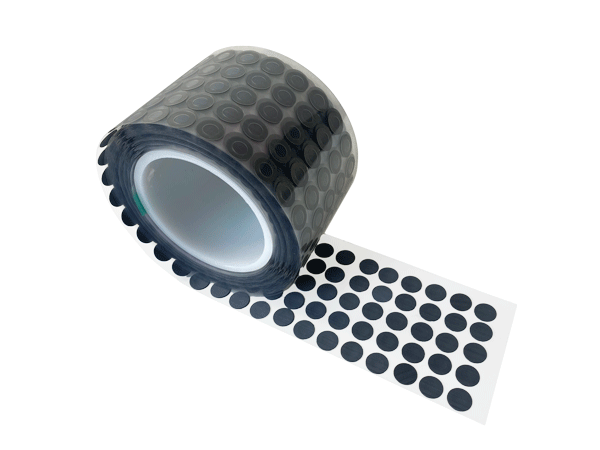
Engineers selecting protective breathable vents for electronics, automotive, new energy, medical devices, and outdoor equipment must balance waterproofing, dustproofing, pressure equalization, and long-term reliability. The wrong material can lead to premature seal failure, internal condensation, or loss of IP67/IP68/IP69K performance. Expanded polytetrafluoroethylene (ePTFE) is widely regarded as the benchmark, but how does it compare with alternative breathable materials? This comparison provides clear, data-driven insights to support informed decisions.
Why Material Selection Directly Impacts Enclosure Performance
Breathable vents must allow rapid pressure equalization while blocking liquids, dust, and contaminants under real-world thermal cycling, chemical exposure, and mechanical stress. Different materials achieve permeability through varying pore structures and surface chemistries, leading to significant differences in durability and protection levels. Understanding these trade-offs helps avoid costly field failures and warranty claims.
Key Performance Criteria for Breathable Vent Materials
The table below compares ePTFE with four common alternative materials used in protective venting applications. Ratings are based on typical industrial-grade performance under standardized testing (IEC 60529, ISO 20653, and long-term field data).
| Material | Waterproof Rating | Dustproof Rating | Air Permeability | Chemical Resistance | Temp Range (°C) | Oleophobicity | Long-term Durability | Relative Cost | Best IP Rating Support |
| ePTFE Microporous Membrane | Excellent (IP68/IP69K) | Excellent | Excellent | Excellent | -200 to +260 | Excellent | Excellent (10+ years) | Higher | IP67–IP69K |
| Microporous Polyethylene (PE) | Good | Good | Excellent | Moderate | -40 to +80 | Poor | Moderate (3–5 years) | Lower | IP65–IP67 |
| Sintered PTFE | Very Good | Very Good | Moderate | Excellent | -200 to +260 | Good | Very Good | High | IP66–IP68 |
| Coated Non-woven Fabrics | Moderate | Moderate | Excellent | Moderate | -20 to +120 | Moderate | Moderate (2–4 years) | Lowest | IP54–IP65 |
| Sintered Metal Filters | Good | Excellent | Moderate–Low | Good | -100 to +400 | Poor | Good (5–8 years) | High | IP65–IP67 |
ePTFE Microporous Membrane Pros: Superior hydrophobic and oleophobic surface chemistry combined with precisely controlled 0.1–0.5 μm pores delivers unmatched waterproofing and dustproofing while maintaining high air flow for pressure equalization. Exceptional chemical inertness and wide temperature tolerance make it ideal for harsh environments. Cons: Higher initial material cost (offset by longer service life and reduced warranty claims).

Microporous Polyethylene (PE) Pros: Excellent breathability and lowest cost; easy to manufacture and integrate. Cons: Limited chemical and temperature resistance; poor oleophobicity leads to faster clogging in oily or contaminated environments; struggles to maintain high IP ratings under thermal cycling.
Sintered PTFE Pros: Shares PTFE’s excellent chemical and thermal stability. Cons: Larger, less uniform pore structure reduces air permeability and waterproof performance compared with expanded ePTFE; heavier and more difficult to achieve ultra-high IP69K ratings.
Coated Non-woven Fabrics Pros: Very low cost and high initial air flow. Cons: Coating degrades over time, especially under UV, chemicals, or high-pressure cleaning; limited waterproofing and dustproofing make it unsuitable for demanding IP67+ applications.
Sintered Metal Filters Pros: Extremely robust mechanical strength and high-temperature capability. Cons: Low permeability requires larger vent area; poor oleophobicity and higher weight; cannot match ePTFE’s combination of waterproofing and breathability.
Choosing the Right Material for Your Application
For applications requiring sustained IP67, IP68, or IP69K performance under thermal cycling, chemical exposure, or high-pressure washdowns, ePTFE consistently outperforms alternatives in real-world longevity and reliability. Its unique node-and-fibril microstructure provides a level of protection and breathability that other materials cannot replicate without significant compromises.
Spider(Xiamen) Technology Co., Ltd has specialized exclusively in ePTFE membranes and high-performance protective breathable products since 2016—more than 10 years of focused expertise. Our ISO9001- and IATF16949-certified quality system, combined with a dedicated R&D team of master’s- and doctoral-level polymer specialists investing 5 %–20 % of annual revenue in innovation, ensures every vent solution meets the most stringent requirements across electronics, automotive, new energy, outdoor equipment, and medical device sectors. Products are already trusted by over 1,000 enterprises in Europe, the United States, Germany, Korea, Japan, India, Russia, Turkey, and beyond. This reflects our core belief: integrity builds quality, innovation leads the future.
For application-specific material recommendations, custom ePTFE vent design, or third-party test reports (SGS, CE, UL, PFOA-Free, RoHS, REACH), please contact us at weitaiyan@spider-amoy.com.
By SST R&D Engineering Team, Spider(Xiamen) Technology Co., Ltd.