EV Three-Electric IP69K Chemical Resistance Trends

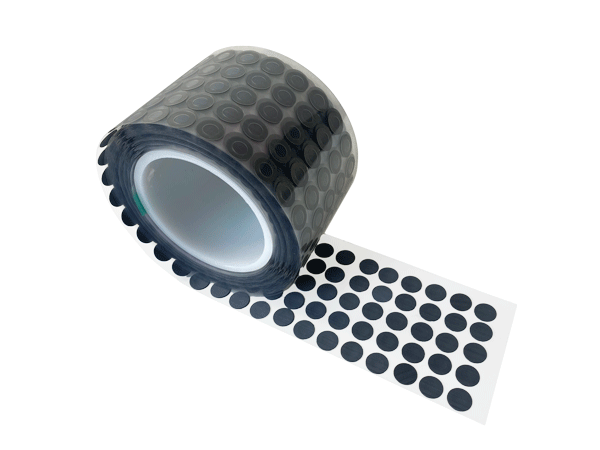
Cutaway view of electric vehicle three-electric system with IP69K breathable protective vents on battery, motor, and power electronics

Electric vehicle (EV) three-electric systems — comprising the battery pack, drive motor, and power electronics controller — operate in increasingly demanding environments. As vehicle architectures grow more compact and power densities rise, engineers face stricter requirements for ingress protection and material durability. IP69K-level waterproofing combined with robust chemical resistance has emerged as a key trend to ensure long-term reliability, safety, and performance under real-world conditions such as high-pressure washing, road spray, vibration, and exposure to automotive fluids.

Understanding IP69K Protection Standards

IP69K, defined by IEC 60529 and ISO 20653, represents the highest practical ingress protection rating for electrical enclosures. It guarantees complete dust tightness (IP6X) and resistance to high-pressure, high-temperature water jets (80–100 °C at 80–100 bar, delivered from multiple angles at close range). Unlike lower ratings such as IP67 or IP68, IP69K specifically addresses aggressive cleaning processes common in automotive assembly, service bays, and off-road or fleet applications. For EV three-electric systems, this level of protection helps prevent water ingress that could lead to short circuits, corrosion, or insulation breakdown in high-voltage components.

Why Chemical Resistance Has Become Essential

EV systems encounter a broad spectrum of aggressive substances: transmission and cooling oils, dielectric coolants, battery electrolytes, road salts, brake fluids, and industrial cleaning agents. Over a vehicle’s 10–15 year service life, these chemicals can degrade conventional sealing materials, causing swelling, loss of hydrophobicity, or cracking. The result is compromised waterproofing and eventual failure. Industry trends now emphasize materials that maintain structural and functional integrity after prolonged chemical exposure, supporting extended warranties and reducing warranty claims. Chemical resistance is no longer optional — it is a core requirement alongside IP69K performance.

The Critical Need for Breathable Protection

Sealed enclosures experience internal pressure fluctuations due to temperature changes during operation, charging, or environmental exposure. Without pressure equalization, these differentials stress seals, risk housing deformation, or cause condensation inside sensitive electronics. Breathable protective vents solve this by allowing gas and vapor to pass while blocking liquid water and contaminants. This “breathing” function preserves seal integrity and prevents moisture-related failures, making it indispensable for maintaining IP69K ratings in dynamic thermal environments typical of EV motors, inverters, and battery packs.

How ePTFE Membranes Deliver IP69K Performance and Chemical Durability

Expanded polytetrafluoroethylene (ePTFE) membranes feature a microporous structure that permits high air flow for pressure equalization while providing high water entry pressure (WEP) to block liquid ingress. PTFE’s inherent chemical inertness and oleophobic properties enable excellent resistance to oils, electrolytes, and cleaning agents across a wide temperature range. When properly engineered and tested, these membranes help enclosures achieve and sustain IP69K ratings under combined mechanical, thermal, and chemical stresses. Third-party validation through standards such as SGS, UL, RoHS, REACH, and PFOA-Free further confirms compliance for automotive applications.

Application Insights from Real-World EV Systems

In battery packs, ePTFE vents mitigate pressure buildup during fast charging or thermal events while protecting against road spray and submersion risks. Motor housings benefit from breathable protection that withstands oil-cooled environments and high-vibration conditions. Power electronics controllers use similar vents to maintain dry internal conditions despite external exposure to wash-downs and contaminants. Across these applications, the combination of IP69K waterproofing and chemical resistance extends component life and supports higher system reliability targets set by OEMs for 2026–2030 platforms.

Emerging Industry Trends 2026–2030

Leading manufacturers are moving beyond IP67/IP68 toward IP69K across three-electric systems to meet stricter safety regulations, higher energy-density designs, and demands for 10+ year durability. Enhanced focus on vibration resistance, long-term chemical stability, and integration with compact architectures is driving innovation in venting technology. Materials that combine high WEP, oleophobicity, and mechanical robustness are becoming standard specifications, enabling safer, more efficient EVs in diverse global markets.

Practical Guidance for Engineers and Procurement Teams

When evaluating protection solutions, prioritize membranes with documented IP69K test results, chemical immersion data, and automotive-grade certifications such as IATF 16949. Consider airflow rates, operating temperature range, and long-term durability under combined stresses. Early collaboration with experienced suppliers can help tailor vent designs to specific enclosure geometries and environmental profiles, reducing development time and validation costs.

Spider(Xiamen) Technology Co., Ltd, established in 2016, has specialized in ePTFE membranes and high-performance breathable protection products for over 10 years. The company’s professional R&D team — composed of master’s and doctoral polymer material experts — invests 5–20 % of annual revenue in new product development and performance breakthroughs. Products achieve IP67, IP68, and IP69K ratings and are supported by ISO 9001, IATF 16949 certifications plus multiple third-party reports (SGS, CE, UL, PFOA-Free, RoHS, REACH). Solutions have been supplied to over 1 000 enterprises across electronics, automotive, new energy, outdoor equipment, and medical sectors, with exports to Europe, the United States, Germany, South Korea, Japan, India, Russia, Turkey, and other regions. This work is guided by the principle of “integrity builds quality, innovation leads the future,” balancing economic value with environmental responsibility.

For technical consultation, customized solutions, or detailed test data on IP69K and chemical-resistant venting for EV three-electric systems, contact the engineering team at weitaiyan@spider-amoy.com.

By SST R&D Engineering Team, Spider(Xiamen) Technology Co., Ltd.