EV Three-Electric Waterproof Breathable Protection Trends: 2026-2030

Engineers designing next-generation electric vehicles face intensifying demands on the three-electric systems — battery packs, electric control units (ECUs/inverters), and drive motors. Tighter integration, higher energy densities, faster charging, and stricter safety regulations are driving the need for advanced waterproof breathable protection. Between 2026 and 2030, pressure-equalization venting technology, particularly ePTFE-based solutions, will evolve to support higher IP ratings, thermal runaway mitigation, and long-term reliability in increasingly compact and powerful EV architectures.

Rising IP Ratings and Harsh-Environment Demands

By 2026–2030, most OEMs will target IP68 or IP69K protection across the three-electric systems to withstand high-pressure washing, road spray, dust, and submersion. Battery packs, inverters, and motors operate under extreme thermal cycling and vibration, creating repeated pressure differentials. Without effective breathable vents, these differentials compromise seals and lead to condensation or premature failure. Industry forecasts show continued strong demand for microporous membranes that deliver reliable pressure relief while maintaining full ingress protection.

Battery Pack Venting: Dual-Stage and Thermal Runaway Focus

Battery safety vents represent the fastest-growing segment. Dual-stage ePTFE designs will dominate: a passive microporous membrane stage provides continuous low-pressure breathing and moisture management during normal operation, while an active stage activates during thermal runaway to release large gas volumes rapidly. This architecture minimizes enclosure rupture risk and supports compliance with evolving global safety standards. Market analyses project ePTFE membranes retaining 50 %+ share in battery pressure-equalization applications through 2030 due to superior hydrophobicity, oleophobicity, and chemical resistance to electrolytes.

Electric Control Units and Inverters: Miniaturization and Integration

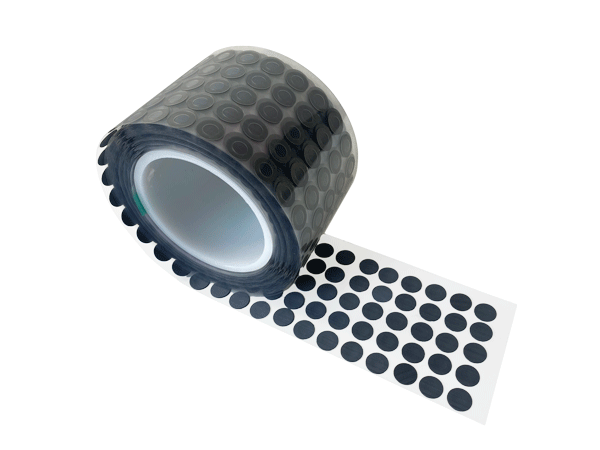
ECUs and inverters are becoming more compact and integrated with motors in three-in-one or multi-in-one electric drive assemblies. This trend increases internal heat generation and pressure fluctuations. Waterproof breathable valves must therefore offer higher airflow rates in smaller footprints while resisting oil, coolant, and high temperatures up to 150 °C. Expect wider adoption of weldable or snap-fit ePTFE vents that integrate directly into housings, reducing assembly steps and improving thermal management synergy.

Electric Motor Protection: Durability Under Continuous Operation

Drive motors face constant high-speed operation, vibration, and exposure to road contaminants. Future designs will emphasize breathable protection that prevents internal condensation while allowing heat dissipation. ePTFE vents with enhanced mechanical durability and vibration resistance will help maintain IP68/IP69K performance over 10+ year vehicle lifecycles, supporting the shift toward higher-power, oil-cooled motors.

Key Technology Drivers Shaping 2026-2030

2026-2030 technology roadmap for EV three-electric waterproof breathable protection trends including ePTFE dual-stage vents and smart integration

  • Material innovation: Continued refinement of ePTFE node-and-fibril structures for optimized pore uniformity, faster response times, and extended chemical inertness.
  • Smart integration: Vents linked with battery management systems (BMS) for real-time pressure and event monitoring.
  • Sustainability and lightweighting: Thinner, higher-performance membranes that reduce overall pack weight and support recyclable designs.
  • Testing rigor: Expanded use of combined thermal, vibration, immersion, and salt-spray protocols aligned with IATF 16949 and upcoming global EV safety regulations.

These advancements will lower warranty claims, extend component life, and enable safer, more efficient EVs.

Why ePTFE Technology Leads the Next Decade

Expanded polytetrafluoroethylene remains the benchmark material because it uniquely combines high air permeability, liquid and dust barrier performance, and long-term stability across extreme conditions. Leading suppliers continue to invest in dual-stage and application-specific solutions tailored to the evolving three-electric architecture.

Since 2016, Spider(Xiamen) Technology Co., Ltd has specialized exclusively in ePTFE membranes and high-performance protective breathable products, accumulating more than 10 years of focused expertise. Our professional R&D team of master’s- and doctoral-level polymer specialists invests 5 %–20 % of annual revenue into continuous innovation. We operate under ISO9001 and IATF16949-certified quality systems and provide comprehensive third-party validation reports including SGS, CE, UL, RoHS, REACH, and PFOA-Free.

Our solutions are already trusted by over 1,000 enterprises across Europe, the United States, Germany, Korea, Japan, India, Russia, Turkey, and beyond. This reflects our core belief: integrity builds quality, innovation leads the future.

For technical consultation, custom waterproof breathable solutions for three-electric systems, or detailed application data, please contact us at weitaiyan@spider-amoy.com.

By SST R&D Engineering Team, Spider(Xiamen) Technology Co., Ltd.